

Download
Scan QR to download the game on your device
Welcome to Mech Thunder Mobile!
This special update brings you:
Details below.
In the late 1930s, the Soviet Armored Directorate faced a serious problem: traditional tracked tanks were increasingly helpless against minefields, anti-tank ditches, and destroyed roads. The trench warfare of World War I had proven the need for a fundamentally different type of combat vehicle – one capable of crossing any obstacle, independent of ground conditions, and striking fear into the enemy by its very appearance.
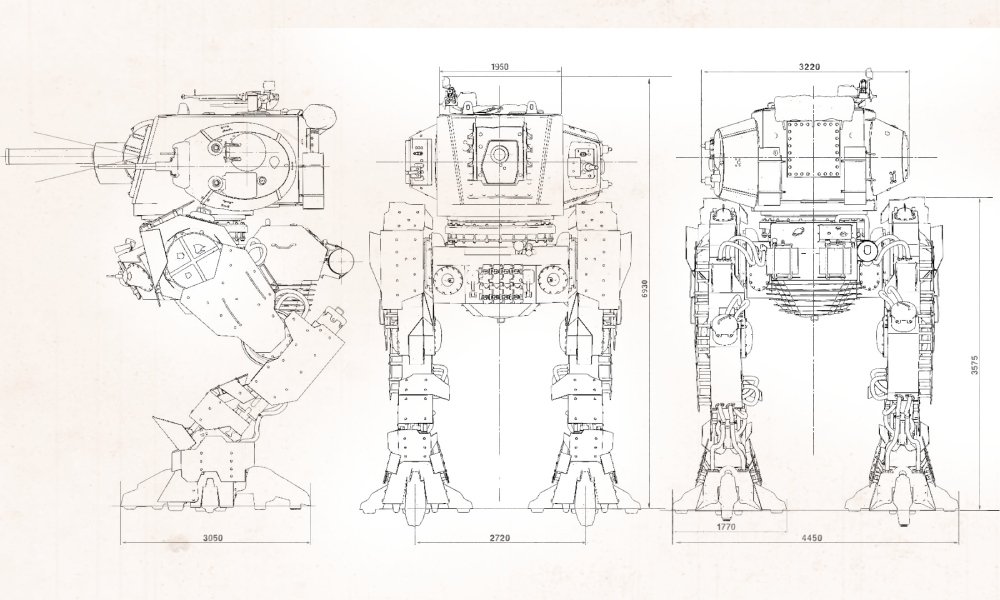
In April 1937, Plant No. 184 received a technical assignment to develop a "new type of armored vehicle" weighing up to 50 tons. The engineers proposed a bold solution: abandon tracks in favor of a walking mechanism. Thus, the ShT-1 was born – the world's first walking tank, whose chassis could cross trenches, escarpments, and minefields with unprecedented ease.
By April 1939, the prototype, designated "Object 104," entered trials. Despite numerous technical challenges (primarily regarding engine overheating and temperamental hydraulics) the machine caused a sensation during a government demonstration in Moscow. "This machine redefines what combat vehicles are capable of", a GABTU representative reported to the People's Commissar after the display.
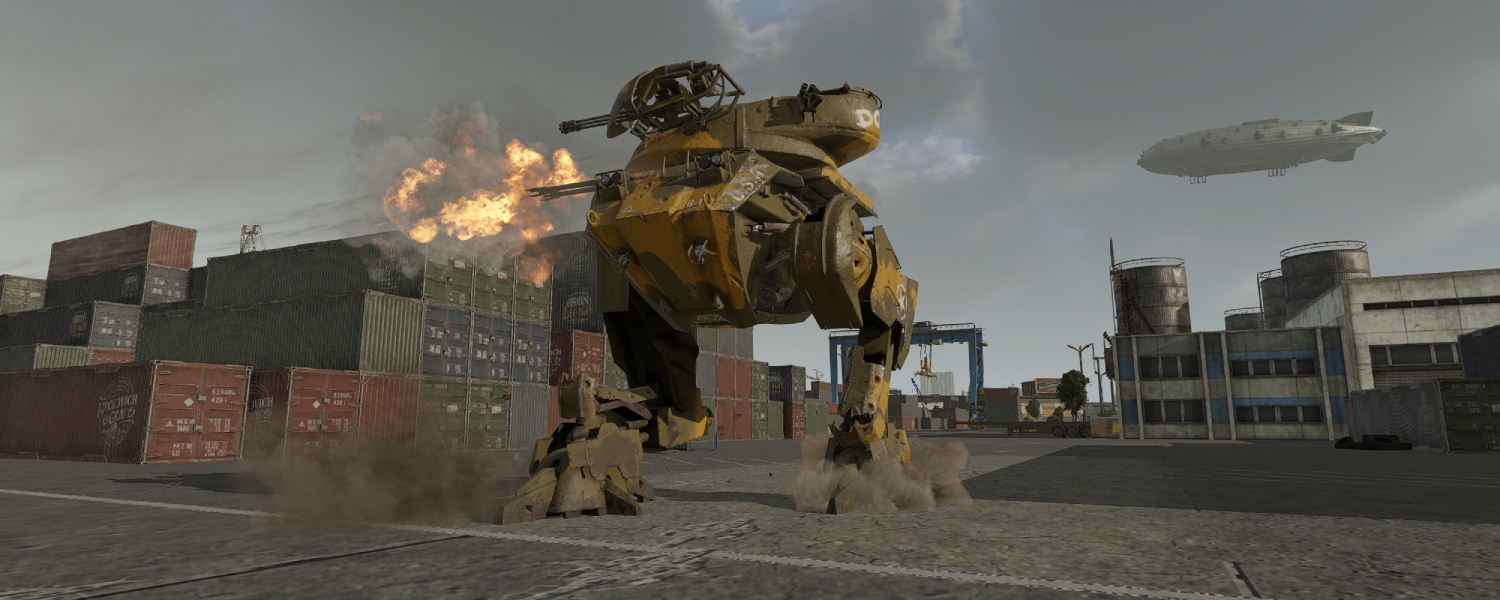
The ShT-1 was sent to the front during the Soviet-Finnish War, where it demonstrated near-invulnerability: its powerful 152 mm howitzer crushed pillboxes, while its formidable array of cannons and machine guns literally mowed down enemy infantry. Its towering stride made it immune to anti-tank mines and Molotov cocktails.
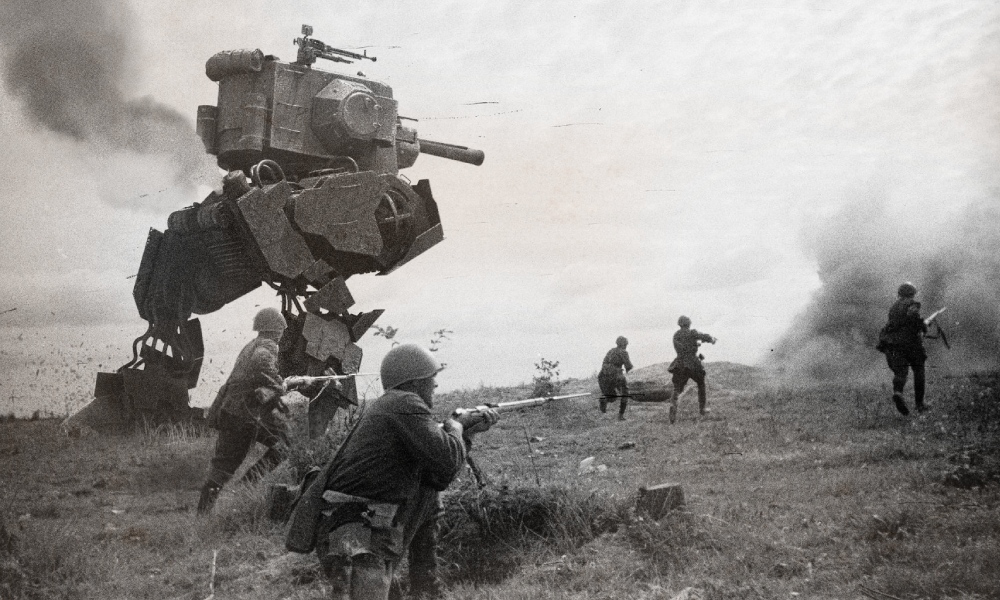
As part of cooperation with the Chinese government, some of the designs were shared with allies. Chinese engineers adapted the Soviet blueprints to local conditions, creating the Zhuque – a heavy experimental walker. The vehicle was equipped with a 50 mm Gauss cannon with an exceptionally high muzzle velocity, capable of penetrating thick armor from distances beyond the reach of conventional guns, along with 12 cumulative unguided rockets. However, in 1944, the secret base where the work was being conducted was destroyed in a Japanese air raid – intelligence had mistaken the facility for a Chinese stronghold. Only a few photographs and fragments of the blueprints survived, and production was never resumed.
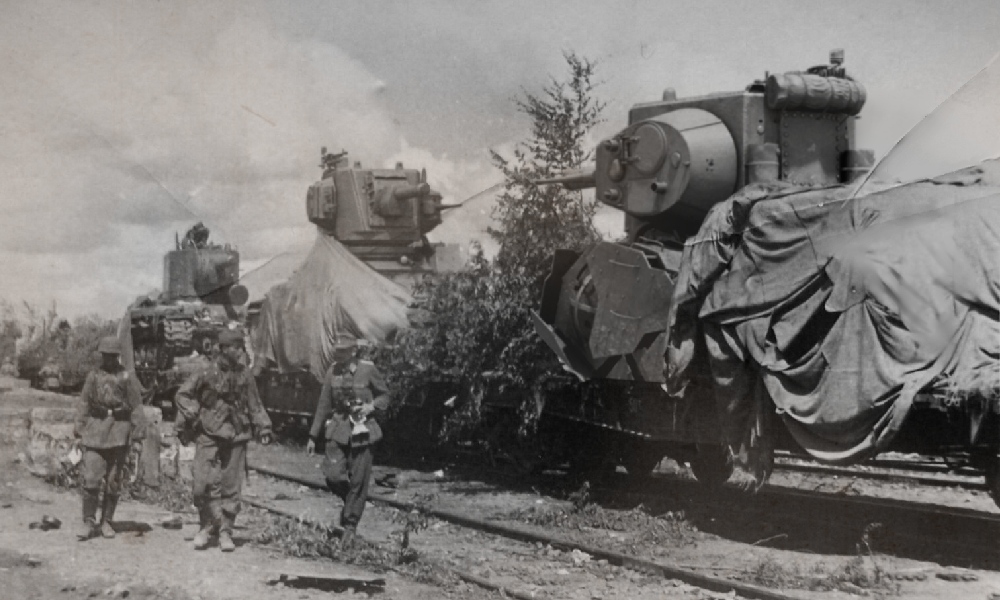
By the summer of 1941, the USSR had produced around 30 machines, but they proved too complex for mass production. Most ShT-1s were lost in the border battles, and captured examples were studied with amazement by the Germans, who designated them Pz.Wtm.26 123(x). "The Russians have built a machine against which our tanks are powerless. Its footsteps can be heard for miles, and it demoralizes the troops", a German intelligence officer reported to headquarters.
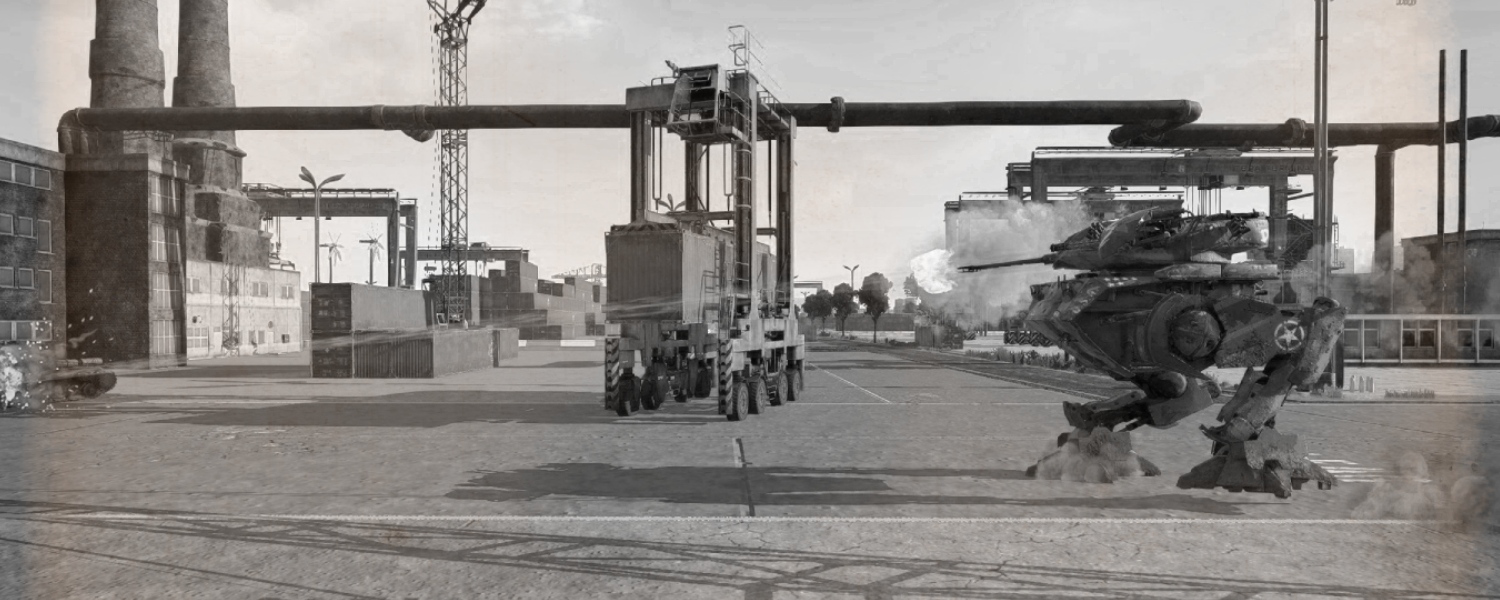
In response to the appearance of Soviet walkers, German engineers launched their own program. Thus emerged the Wandernder Panzer I – an experimental walker created as part of the "wonder weapon" race. The vehicle featured a plasma cannon specifically designed to penetrate the thick armor of the ShT-1, along with four recoilless guns and twin 20 mm autocannons. Unlike many Wunderwaffe projects, this walker was successfully realized and even saw combat.
After the war, the walker project was classified, and three ShT-1 units were transferred to the United States as part of a technology exchange program. Impressed by the concept, the Americans developed a light reconnaissance walker based on them, dubbed the Bulldog. The vehicle was designed for high-speed reconnaissance and infantry support: twin 40 mm and 20 mm autocannons allowed it to mow down enemy personnel and light vehicles with devastating efficiency. However, trials at the Aberdeen Proving Ground, while confirming its outstanding firepower, also revealed the complexity of its production. Like other walking machines the Bulldog remained in the archives, giving way to more conventional tracked tanks.
In the end, the walking giants that could have changed the course of history remained only in blueprints, classified reports, and a handful of prototypes scattered across military bases around the world.
A few months ago, the War Thunder Mobile team gained access to declassified documents and recreated this alternate branch of armored vehicle development. Players now have the unique opportunity to experience a history that could have changed the course of World War II!
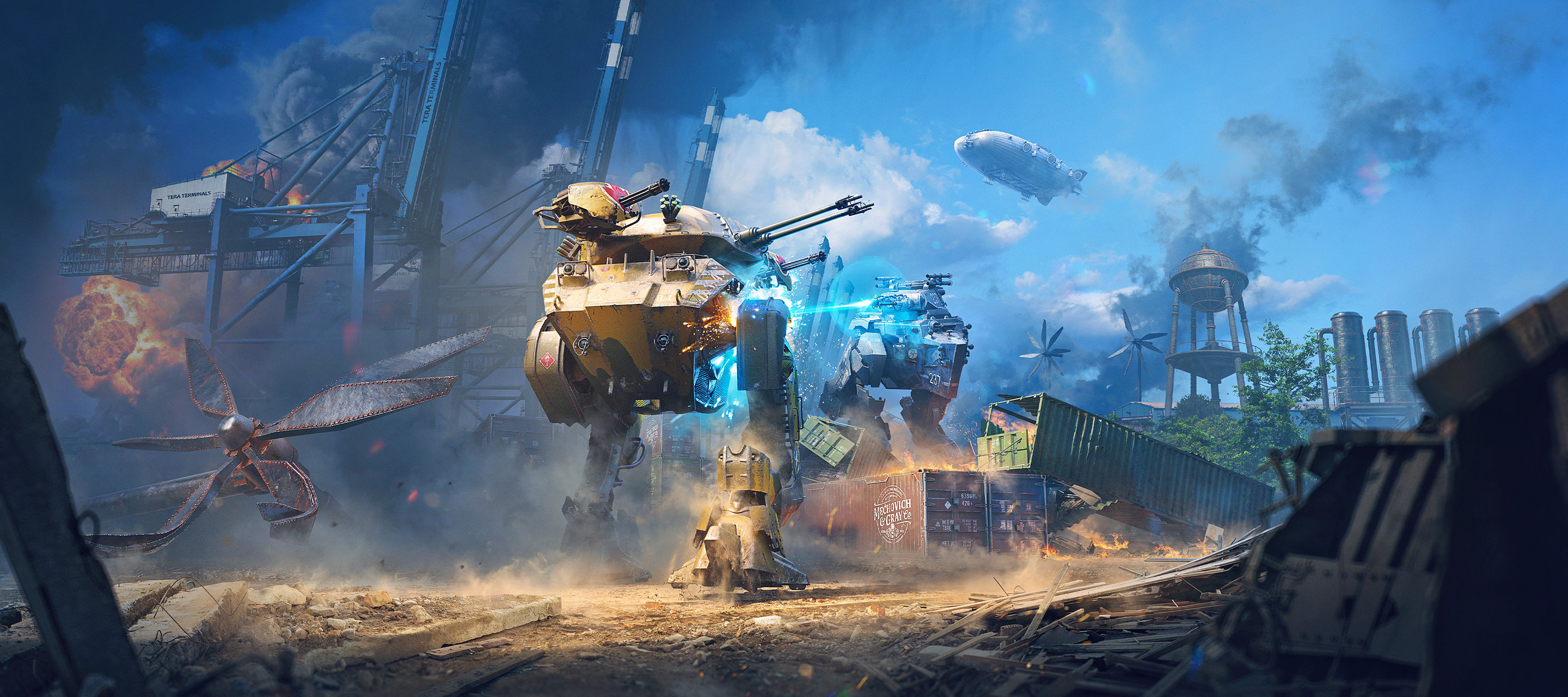
Walker battles will take place across three unique maps, each showing how different corners of the world were transformed in the age of walkers and the industrial revolution:
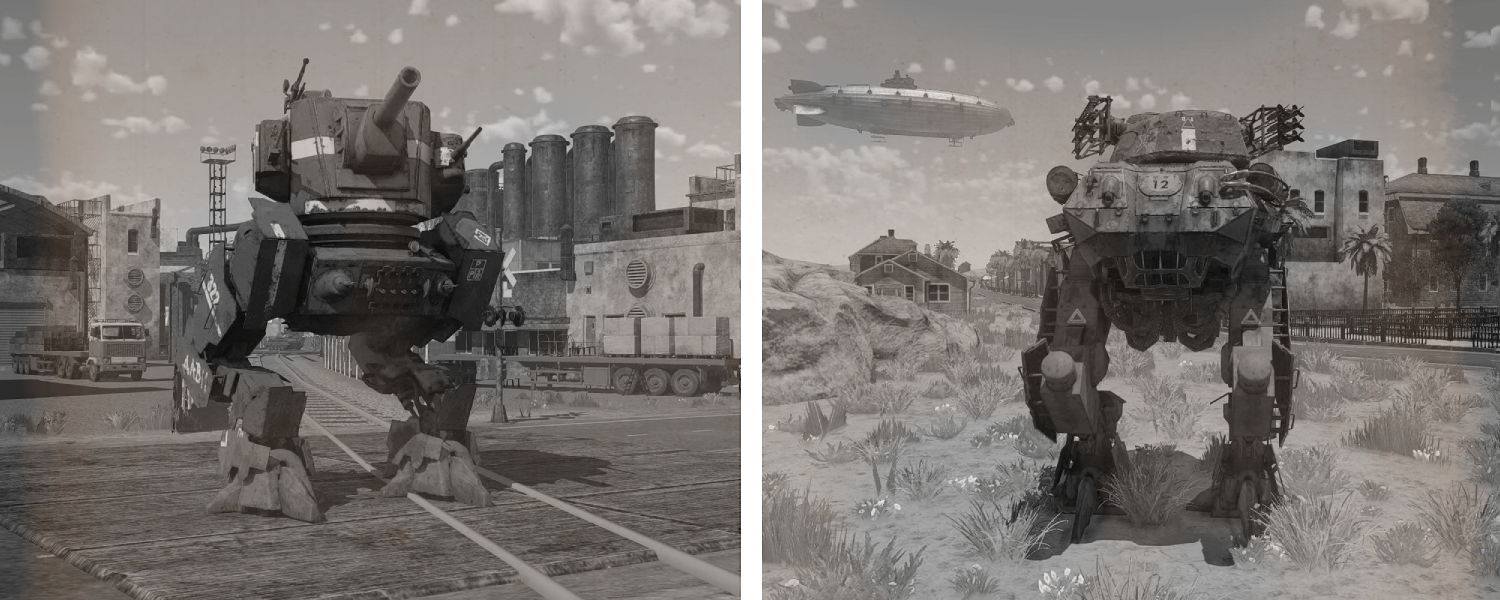
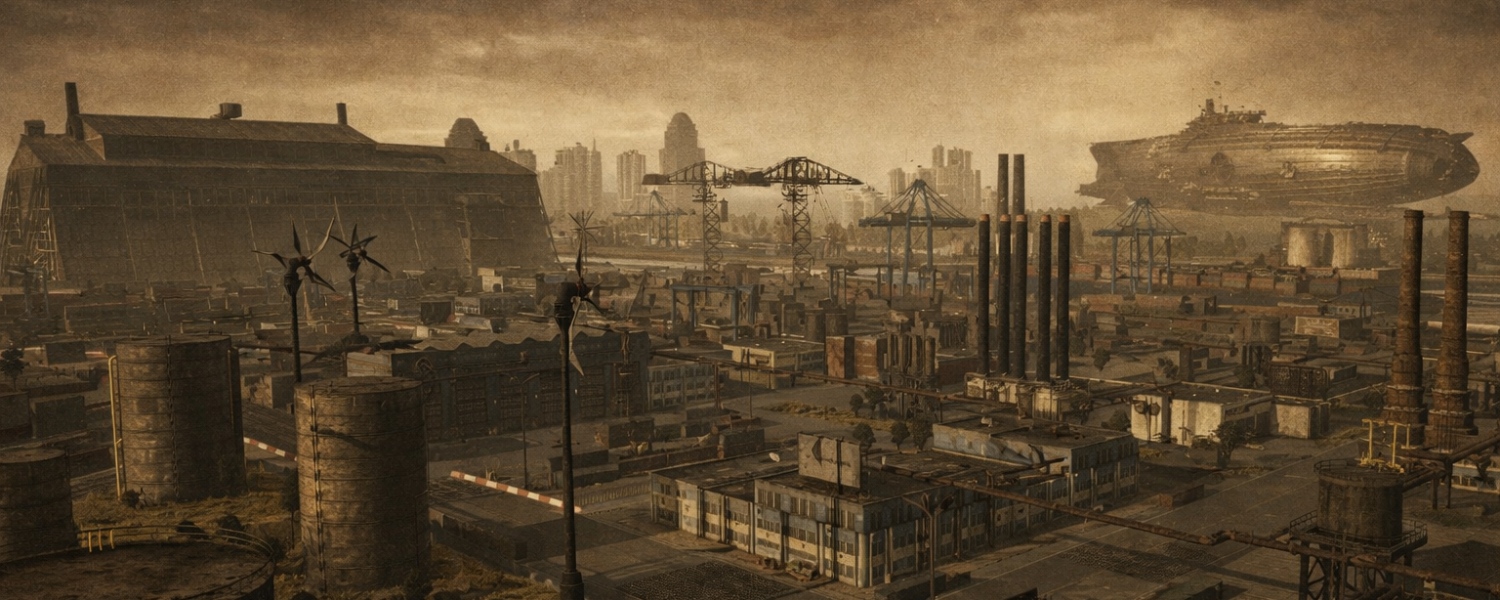
Cargo Terminal – a massive industrial zone on the shores of a bay: wide industrial chimneys, endless rows of containers, numerous hangars, and cargo cranes. In this timeline, port cities became logistics hubs for walkers, where unloading mechanical giants required massive infrastructure. Steam, steel, and the rhythm of working machinery create an atmosphere of industrial might, all focused on a single purpose.
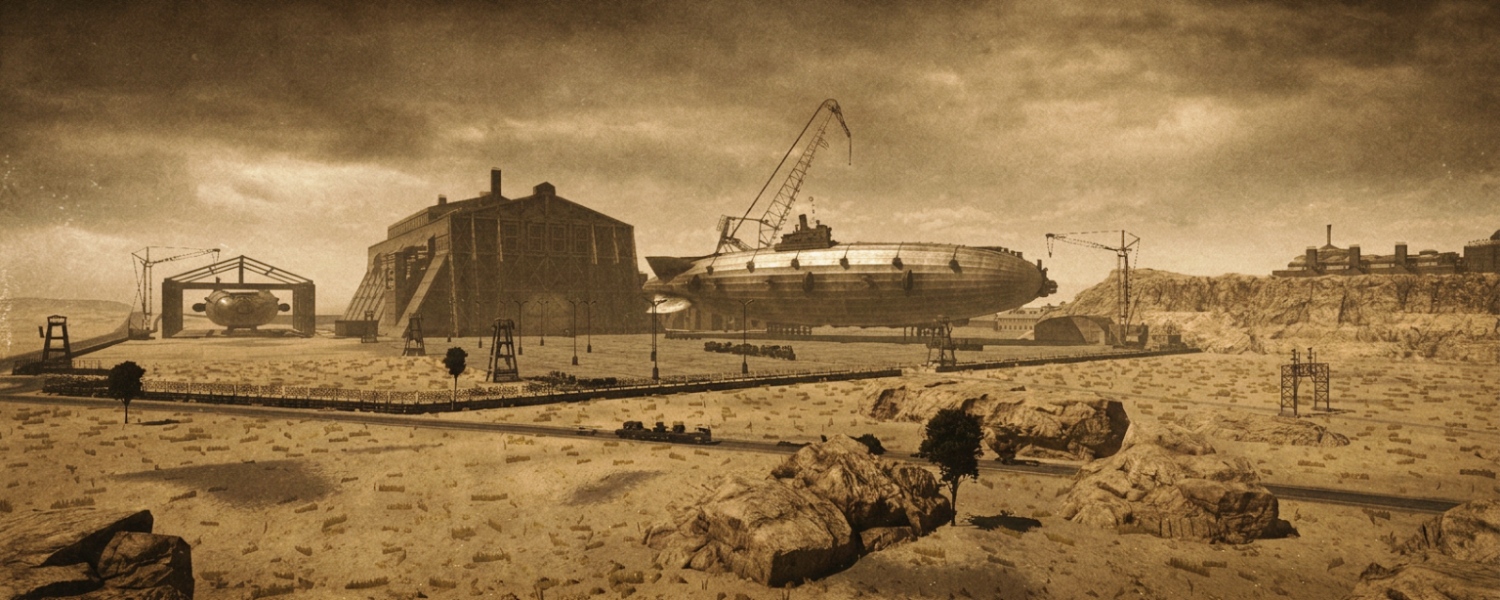
Airship Factory – once a quiet transfer town in the American desert, it transformed into an industrial giant with the arrival of the walker era. Stone factory buildings stand alongside giant hangars, smoking chimneys rise into the sky, and airships, the primary transport method of this world, drift overhead. A place where the desert freedom of the past gave way to the rhythm of assembly lines and steel.
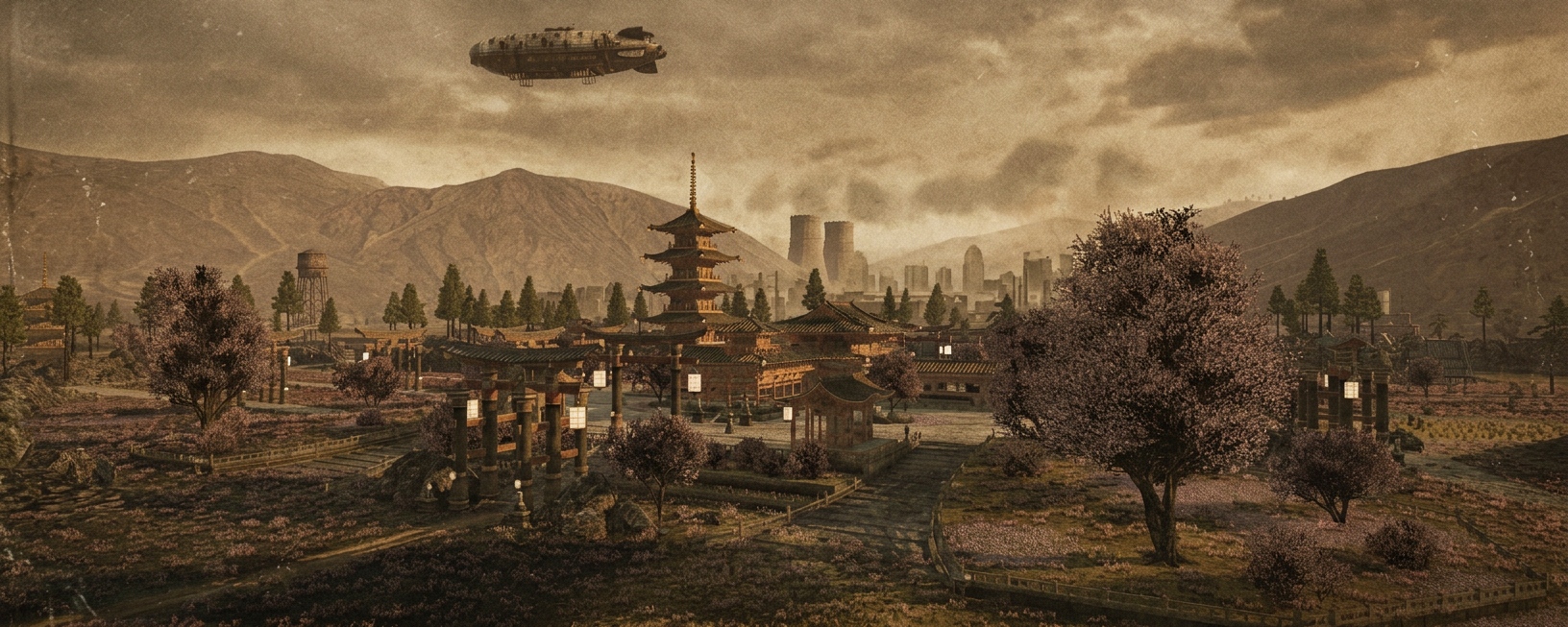
Copper Grove – a picturesque corner of traditional Japan: hills and lowlands, elegant temples, blooming cherry trees, and quaint houses. But in this timeline, the industrial revolution did not bypass the Land of the Rising Sun. Chimneys rise above the rooftops, steam curls in the air, and mechanical structures are seamlessly woven into ancient landscapes. A place where Eastern harmony meets the power of a new era.
Combat Unit
Armament

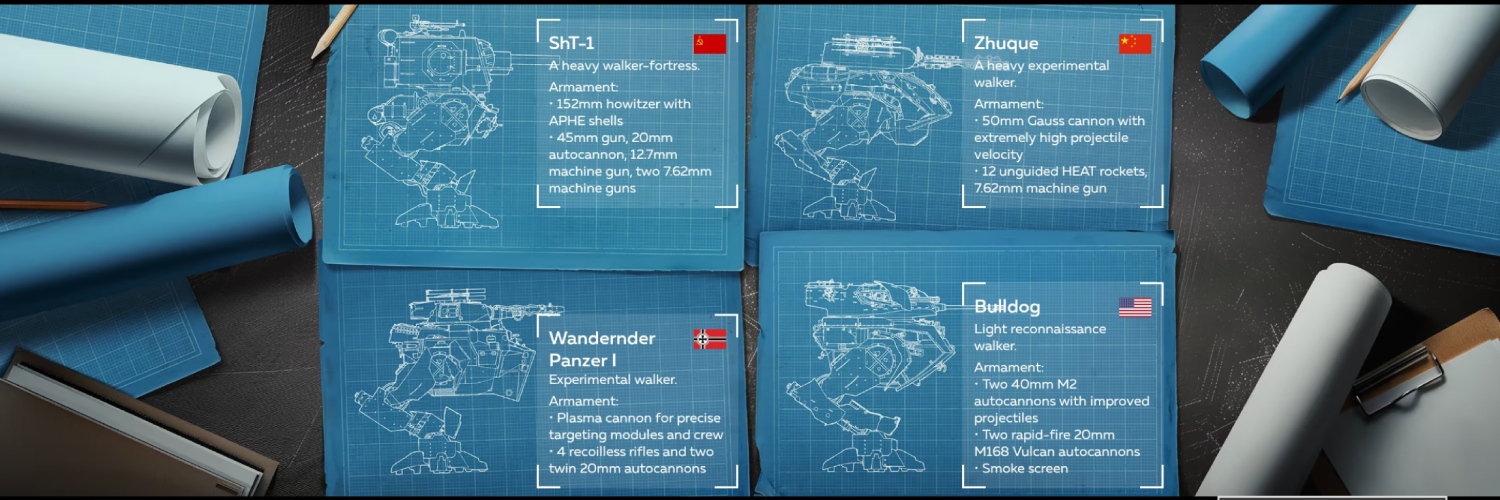
Bulldog
American light reconnaissance walker. Armed with two 40 mm M2 autocannons with improved shells and two rapid-fire 20 mm M168 Vulcan autocannons. Can deploy a smoke screen.
Respawn cost: 300 ✪ Spawn Points

Wandernder Panzer I
Experimental German walker with a plasma cannon for precision targeting of modules and crew, plus four recoilless guns and twin 20 mm autocannons.
Respawn cost: 400 ✪ Spawn Points

ShT-1
Heavy Soviet fortress walker. Armament: 152 mm howitzer with APHE shells, 45 mm cannon, 20 mm autocannon, 12.7 mm machine gun, and twin 7.62 mm machine guns.
Respawn cost: 500 ✪ Spawn Points

Zhuque
Heavy experimental Chinese walker with a 50 mm Gauss cannon with an extremely high muzzle velocity, and 12 cumulative unguided rockets.
Respawn cost: 600 ✪ Spawn Points
Take part in an unprecedented event where you'll gain access to new locations and the chance to test walker mechanics with unique units equipped with diverse armaments.
🚩 Event available: April 1st – April 15th (ends at 10:00 GMT)
There will be no automatic currency conversion – be sure to exchange your Bonds for rewards, Gold, and Silver before the shop closes.
In Mech Thunder mode, just like in the classic tank campaign, your goal is to destroy enemy vehicles and capture points.
Mode Rules:
Complete the Mech Thunder event combat missions, fill the progress bar, and earn Battle Pass experience points as rewards.
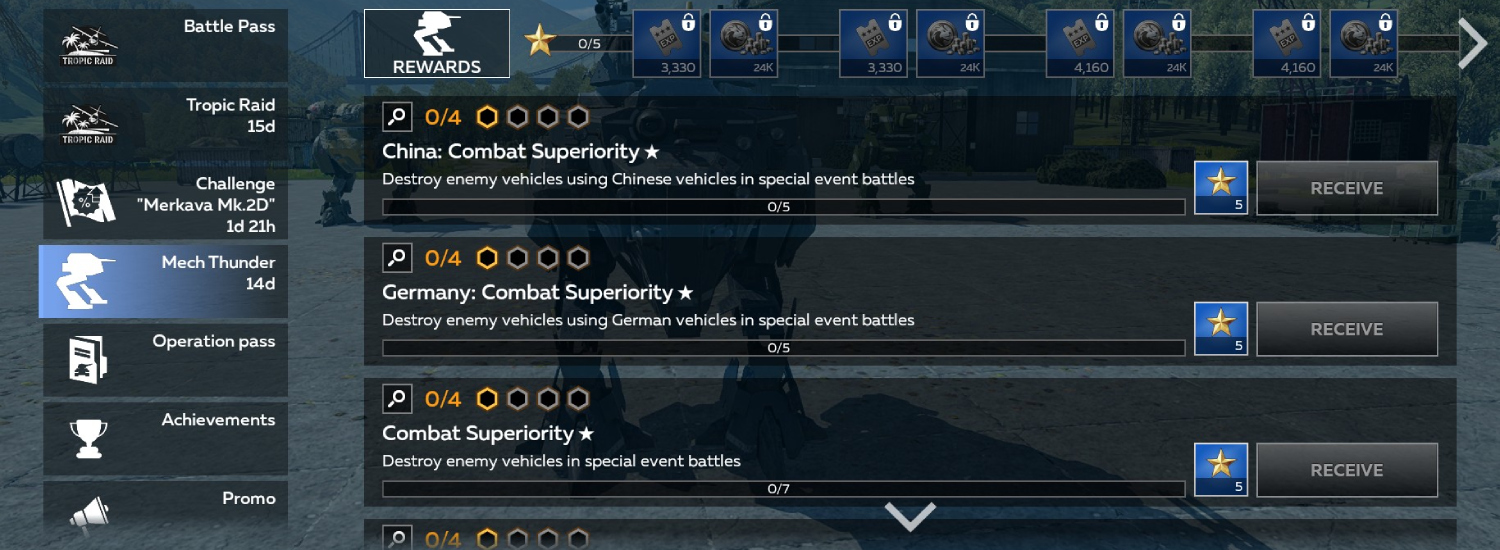
Event tasks have varying difficulty levels. You can view all stages by tapping the 🔎 magnifying glass icon next to a task.
The Mech Thunder Battle Pass is your main source of April Bonds. To increase your pass level, complete seasonal tasks, earn pass points from progress, and simply fight in Mech Thunder mode – battle points earned are converted into pass points and increase your level! After reaching pass level 15, you'll receive 50 event Bonds for each subsequent level.
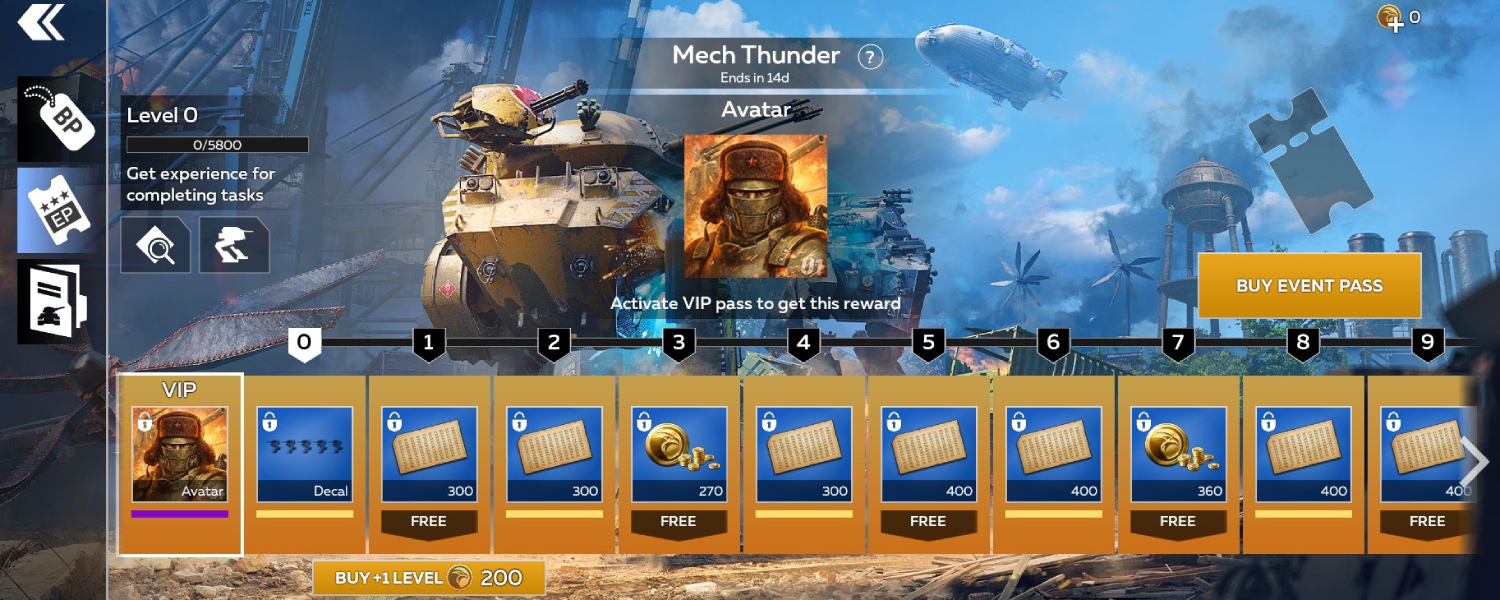
Purchasing the Battle Pass grants you the themed decal "Victories against mechs marks" and access to all rewards in the pass progression, starting from level 1.
Purchasing the VIP Pass immediately gives you unique rewards: the exclusive "Mech Warrior" avatar, as well as 7 steps of pass progress.
To open trophies containing unique vehicles and replenish your stock of event Bonds, you'll need Secret Ciphers, which can be obtained from the Battle Pass. Trophies may drop vehicles from past April Fools' events, new vehicles (including the rarest tank in the War Thunder universe – the Object 279), coins, decorative items, and a solid amount of event Bonds.
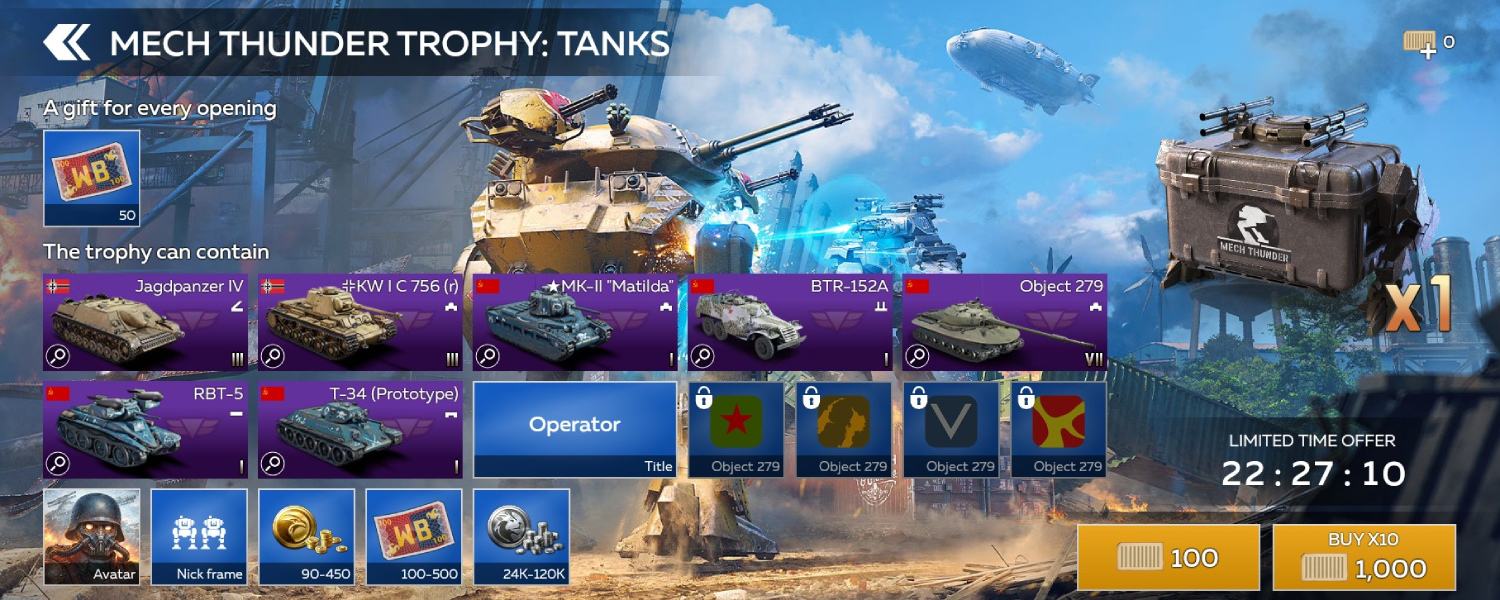
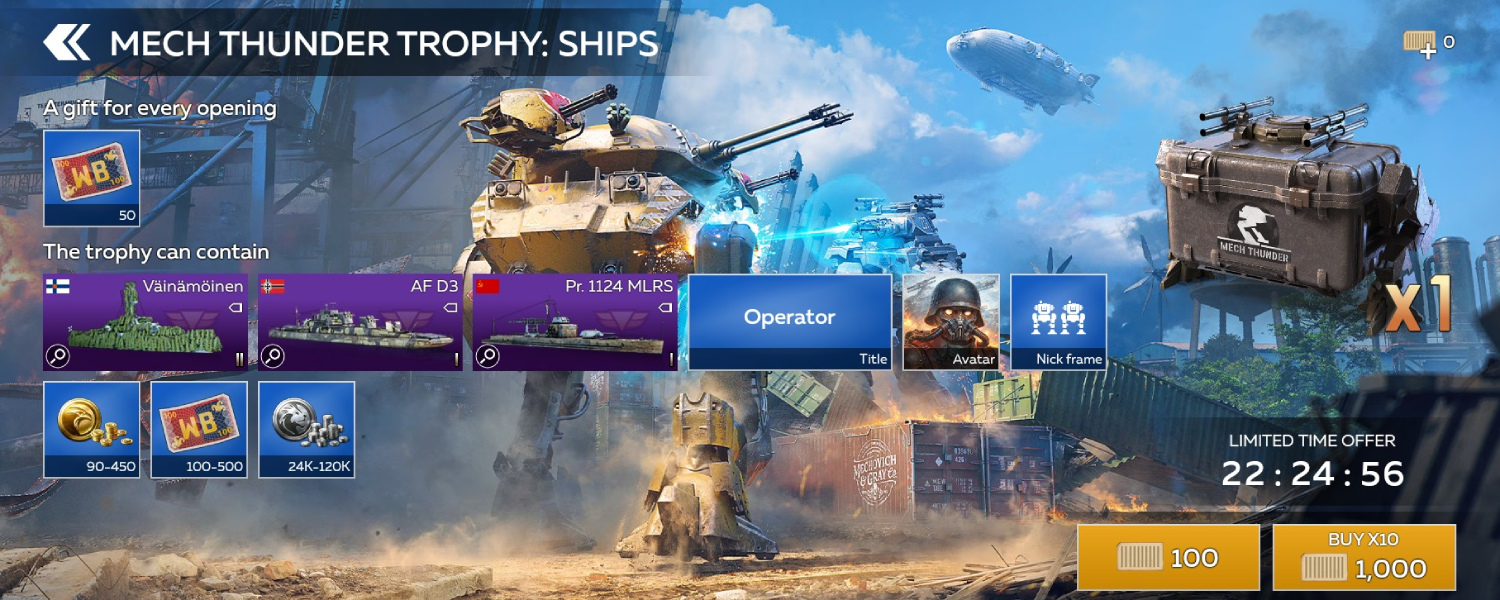
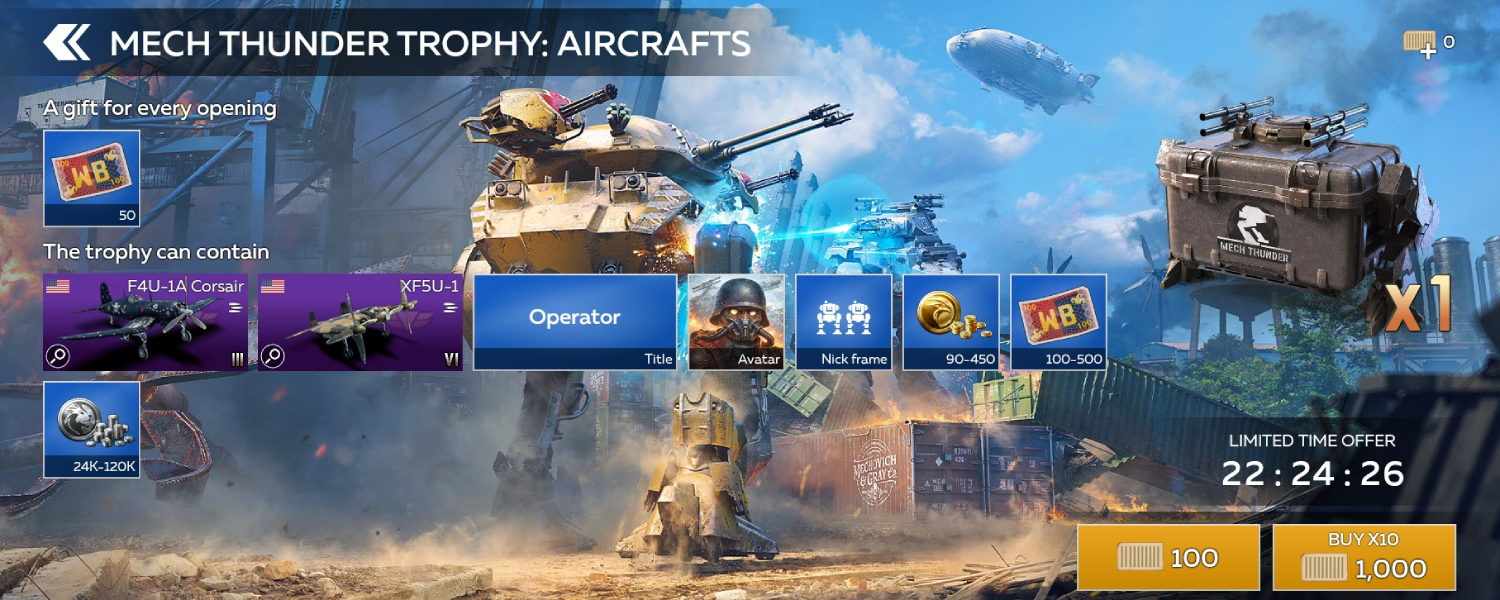
Any commander has a chance to obtain the legendary Object 279. And the chosen few, to whom fortune gifts this unique tank, can rightfully call themselves keepers of the game's ultimate treasure!
You can access the Mech Thunder Event Shop from the Hangar of any campaign by tapping the special themed icon in the top right corner.
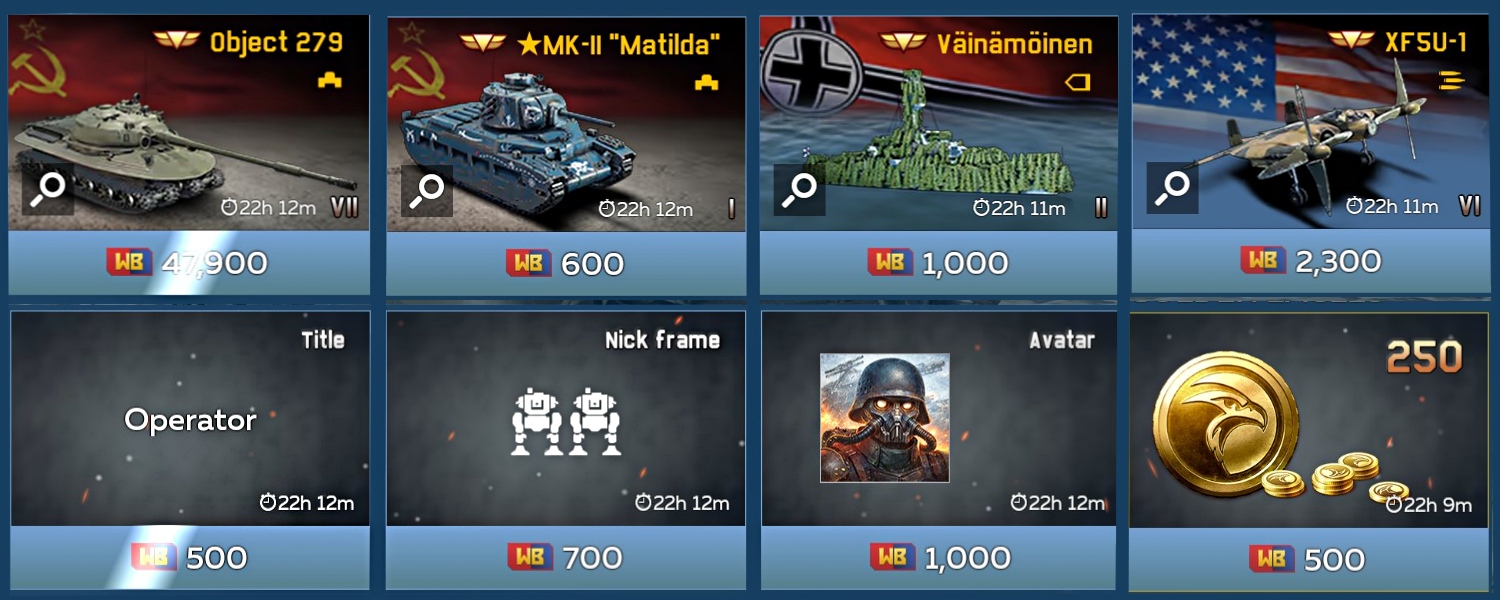
You'll find vehicles and decor from past seasons, unique new items, vibrant camouflages, Golden Eagles, Silver Lions, season keys, and many other valuable rewards. But most importantly – the new event vehicles!
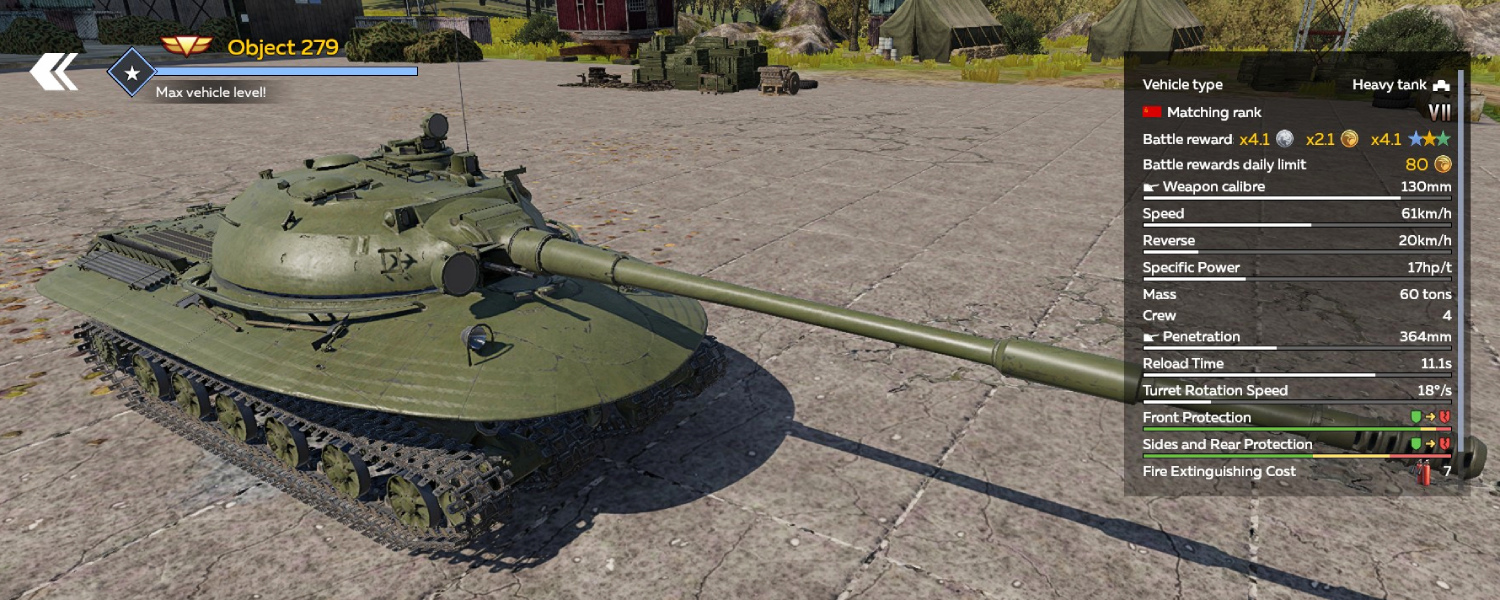
The Object 279 heavy tank was developed in the late 1950s as part of a competition to replace the serial T-10. The designers aimed to provide the tank not only with high protection against conventional weapons but also with resistance to the shockwave of nuclear explosions – a pressing concern during the arms race. The vehicle's hull featured a complex cast construction with a streamlined shape. A unique feature was its running gear, with four track belts arranged under the hull, giving the tank excellent mobility on soft ground and snow. For the first time in Soviet tank design, an autoloader was fitted, and the 130 mm gun developed specifically for this vehicle boasted high ballistic performance.
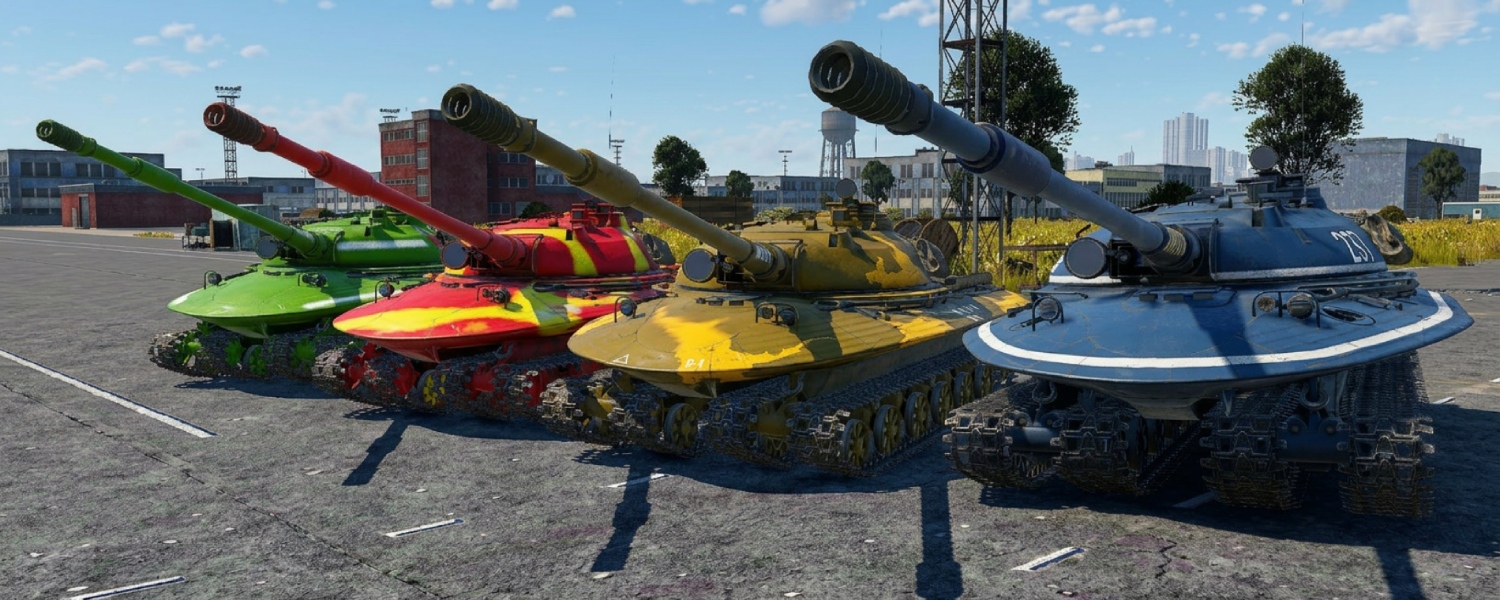
By the end of 1959, a single prototype had been built and underwent factory and proving ground trials. Despite passing the tests successfully, serial production of the Object 279 was deemed impractical. By the early 1960s, military doctrine had shifted toward missile weapons and main battle tanks capable of a broader range of tasks, while the vehicle's complex design and high cost prevented mass production.
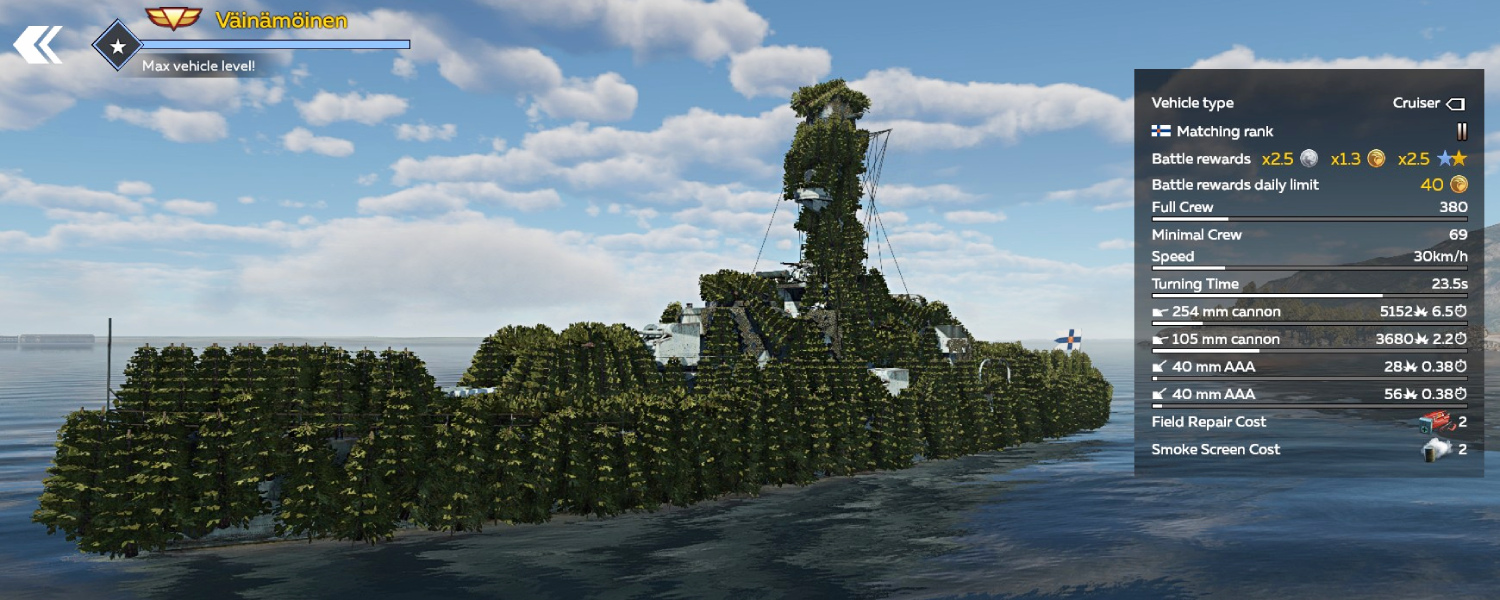
A piece of northern exoticism in War Thunder Mobile – the Finnish coastal battleship Väinämöinen, named after the main character of the Kalevala epic. It was the world's first warship with a diesel-electric propulsion system and was designed to patrol the complex coastal terrain of the Baltic Sea. The ship survived World War II without serious damage, though it was subjected to several massive air raids.
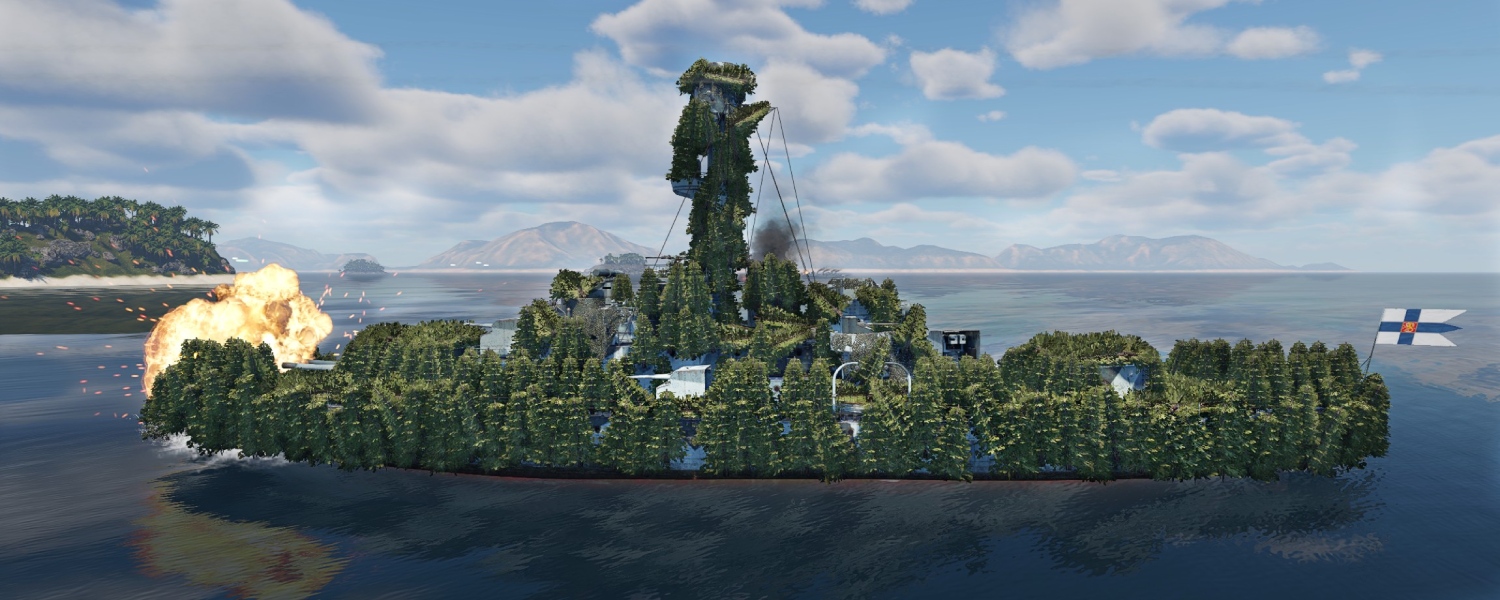
After the war, Väinämöinen was incorporated into the Soviet Baltic Fleet under its new name, Vyborg, and remained in service until 1966.
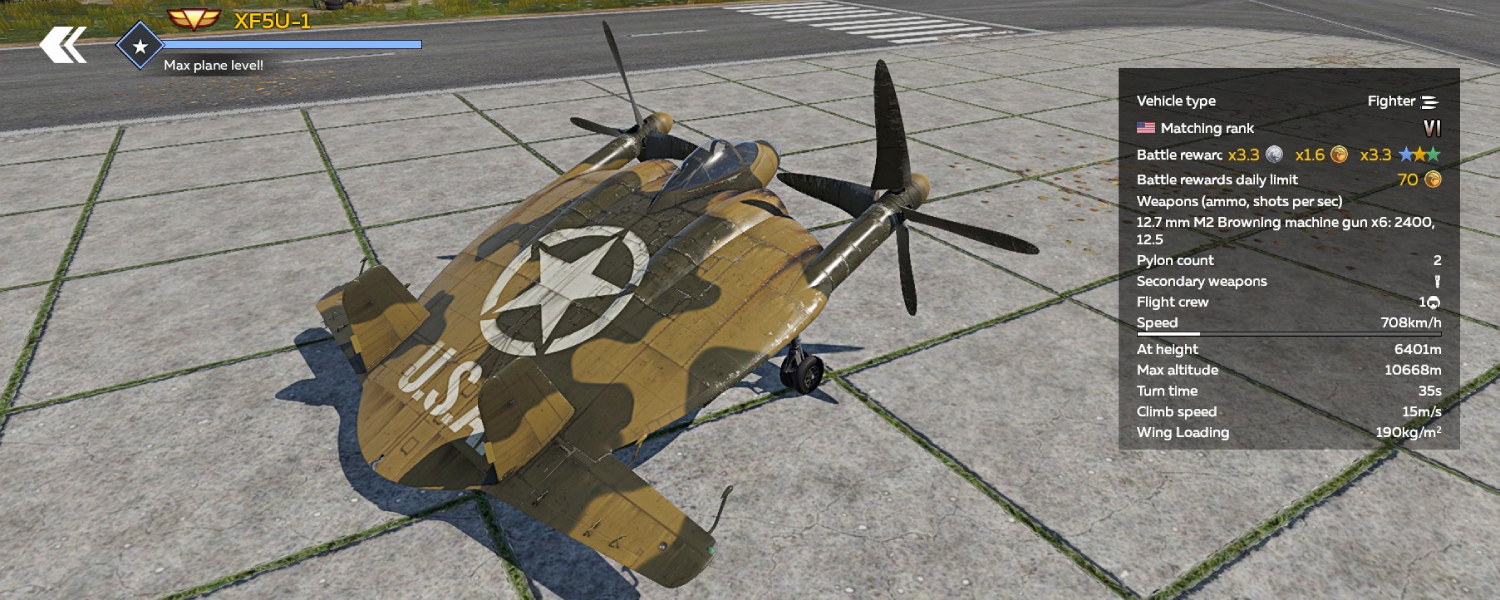
The experimental Vought XF5U fighter was developed in 1941 for the United States Navy. Its unusual disc-shaped design resulted from research by aeronautical engineer Charles Zimmerman, who studied the effects of low-aspect-ratio wings on flight characteristics. The goal was to create an aircraft capable of high speed with short takeoff and landing capabilities – critical qualities for carrier-based aviation.
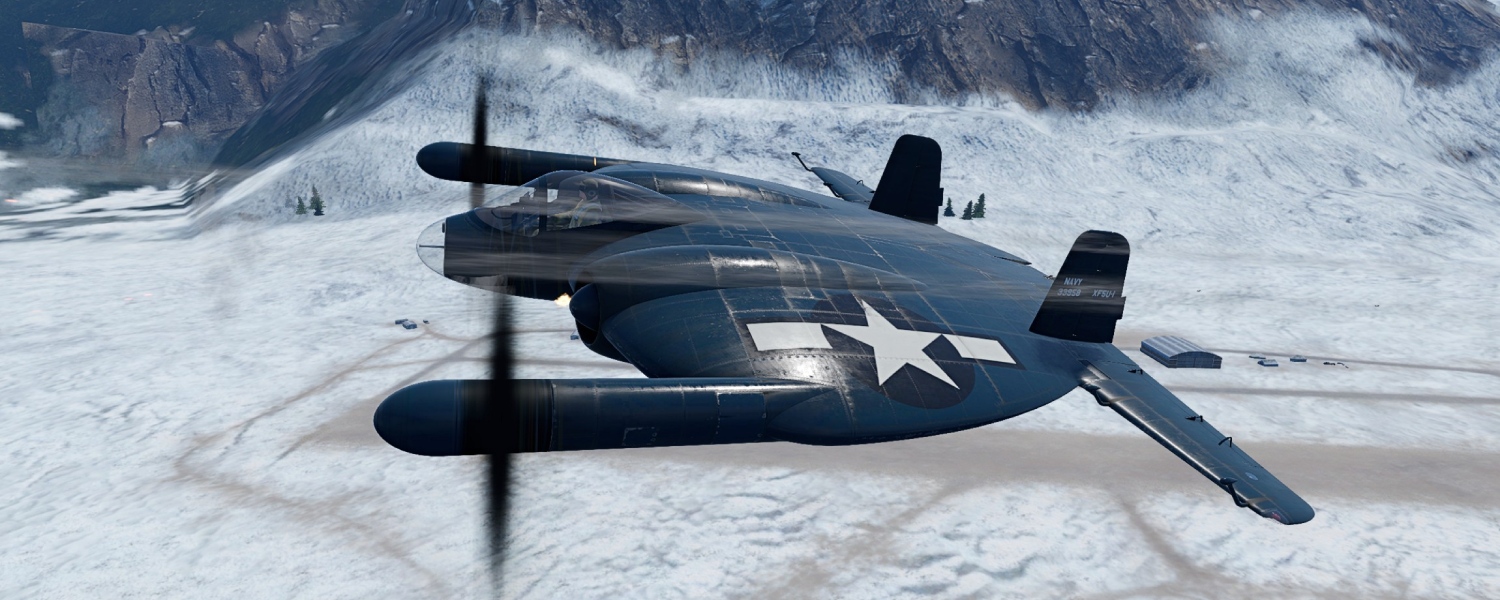
By the time testing began in 1945, serious vibration issues had emerged, preventing the aircraft from taking off. Additionally, the rapid development of jet aviation made the piston-engine design increasingly obsolete. In March 1947, the XF5U program was canceled. The single finished prototype was so robustly constructed that a wrecking ball had to be used to destroy it.
Welcome to a unique twist in history, commanders! May the walking giants of War Thunder Mobile (WTM) bring you victory, and may the trophies deliver the machines you've always dreamed of!